Kruger National Park
Iconic Wildlife Sanctuary and Diverse Natural Heritage
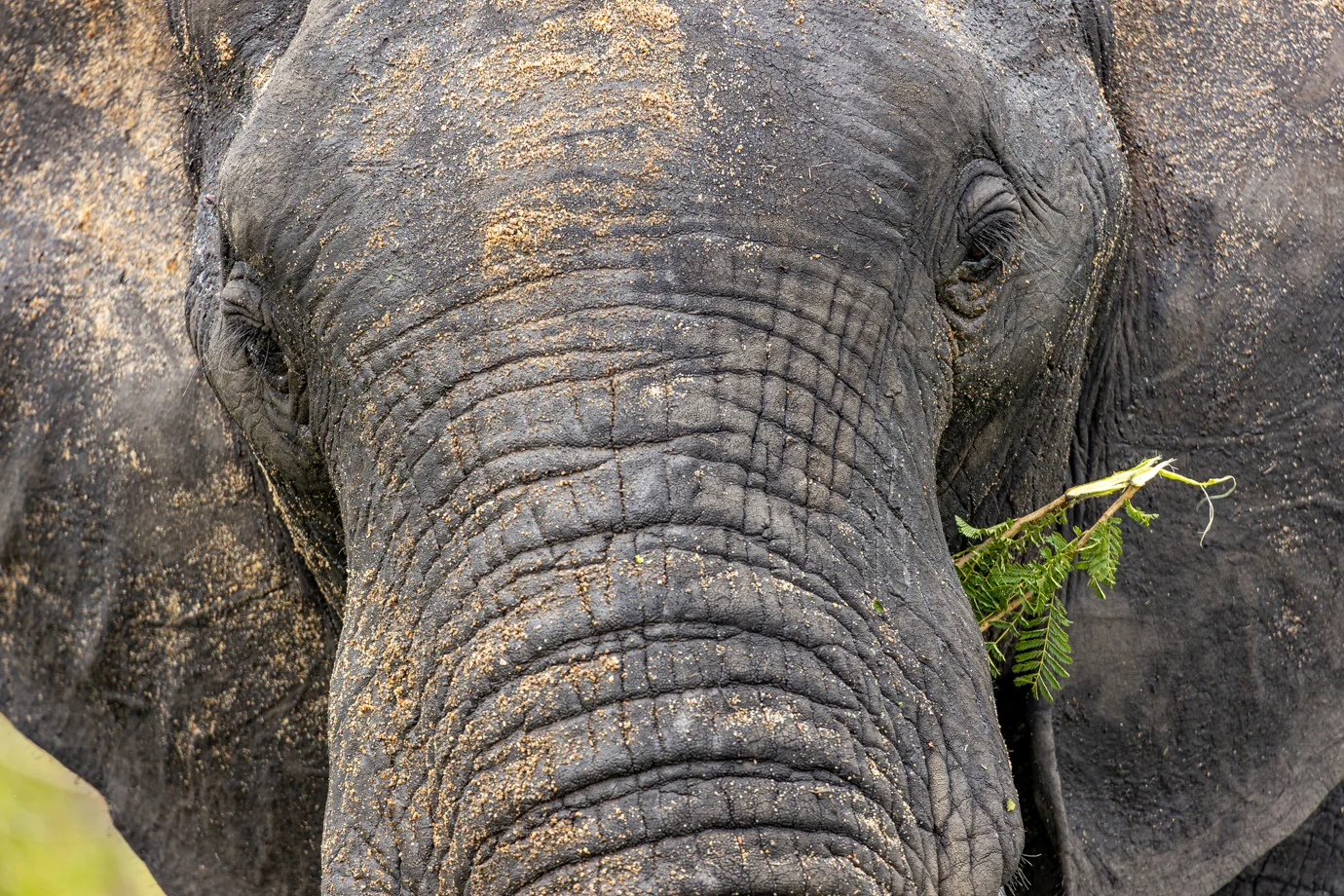
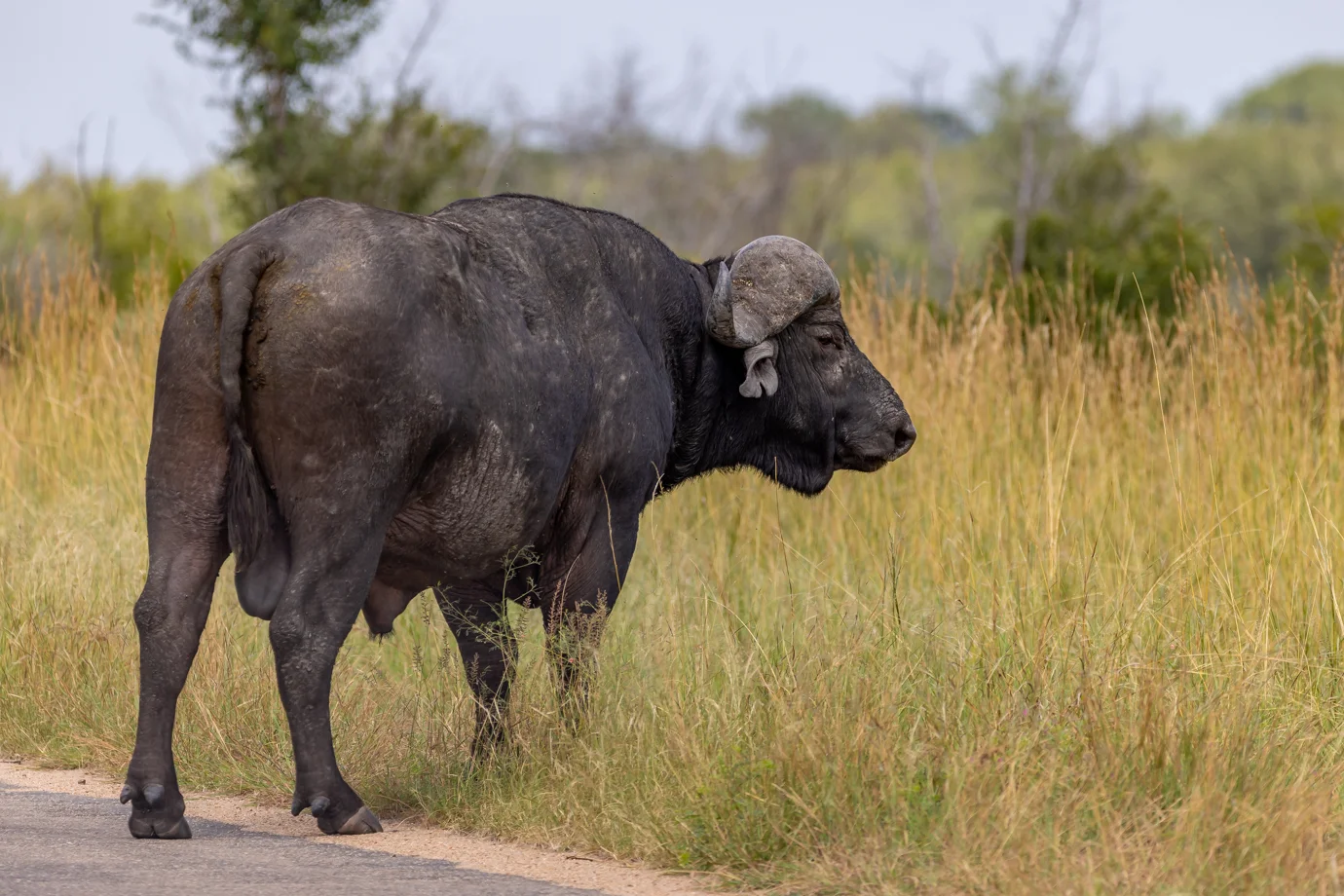
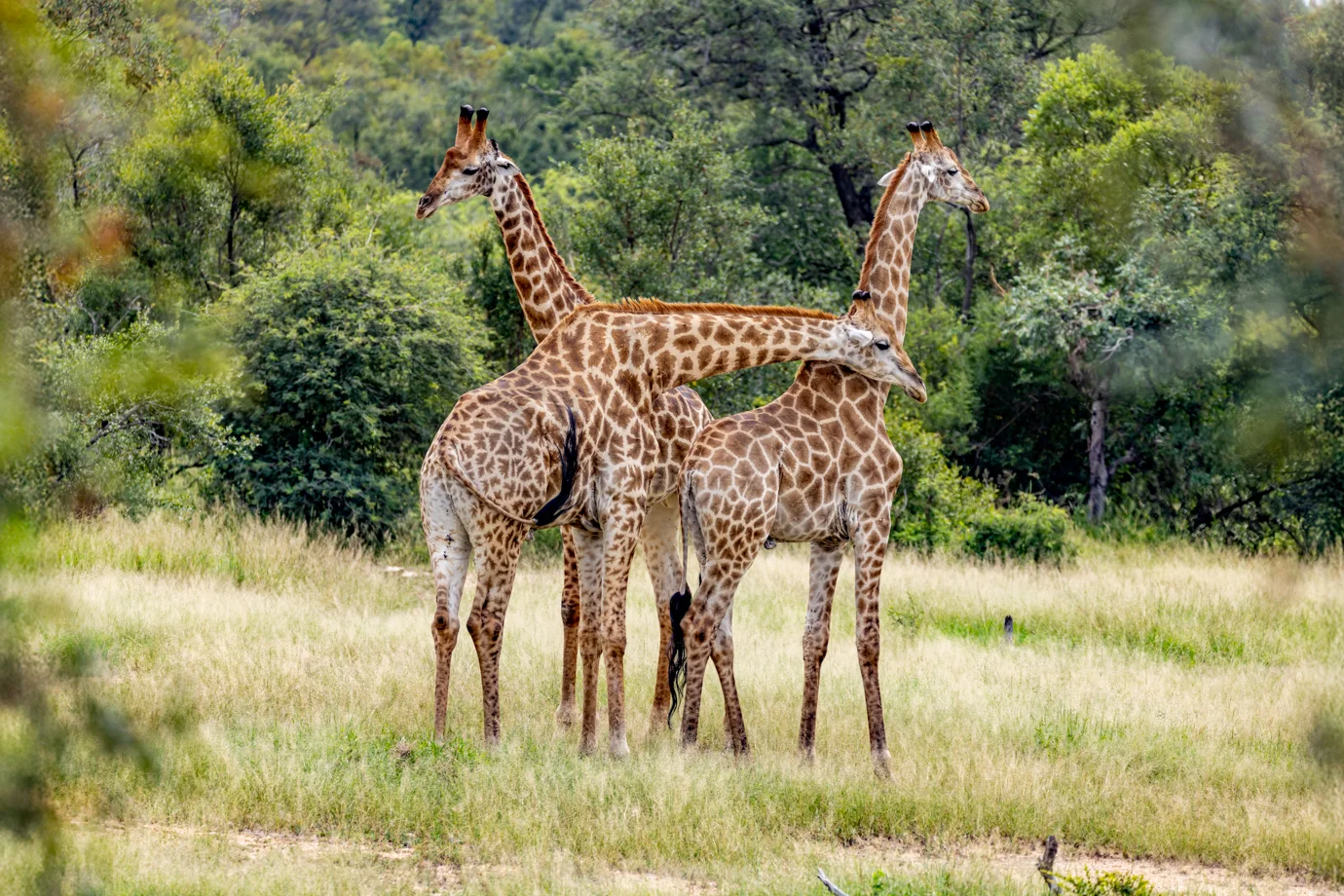
The Kruger National Park provides a professional and expansive environment for experiencing the best of the African bushveld. As one of the largest game reserves on the continent, it covers nearly two million hectares. Furthermore, the park serves as a primary destination for travellers seeking to witness the Big Five. Visitors can enjoy a reliable setting for spotting lions, leopards, elephants, rhinos, and buffalo. The facility maintains a high standard of conservation to ensure a superior experience for every nature lover. Additionally, the park features a rich historical legacy with numerous archaeological sites.
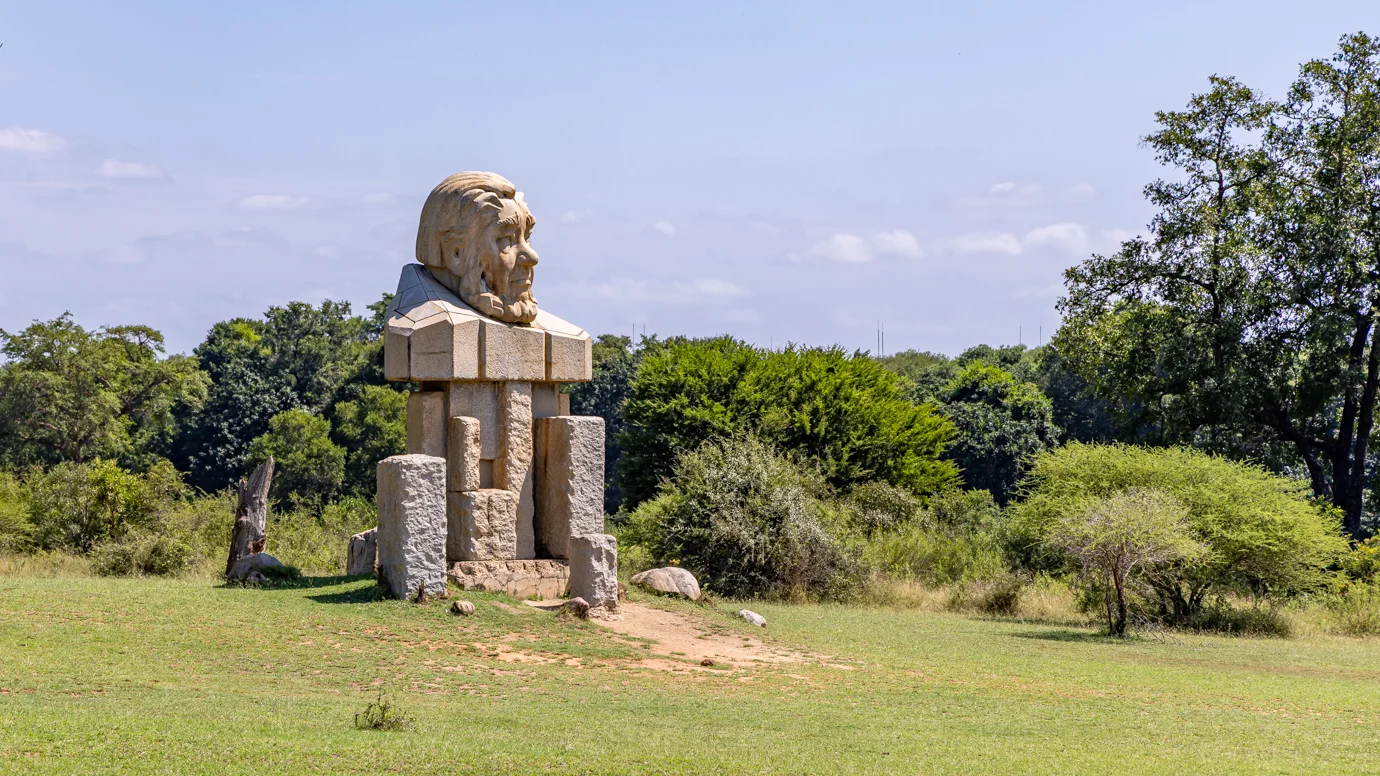
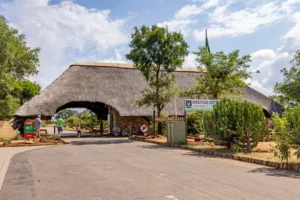
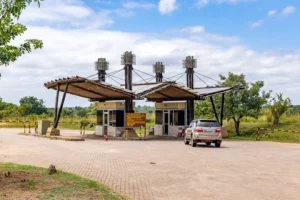
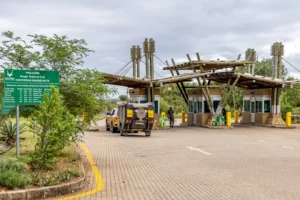
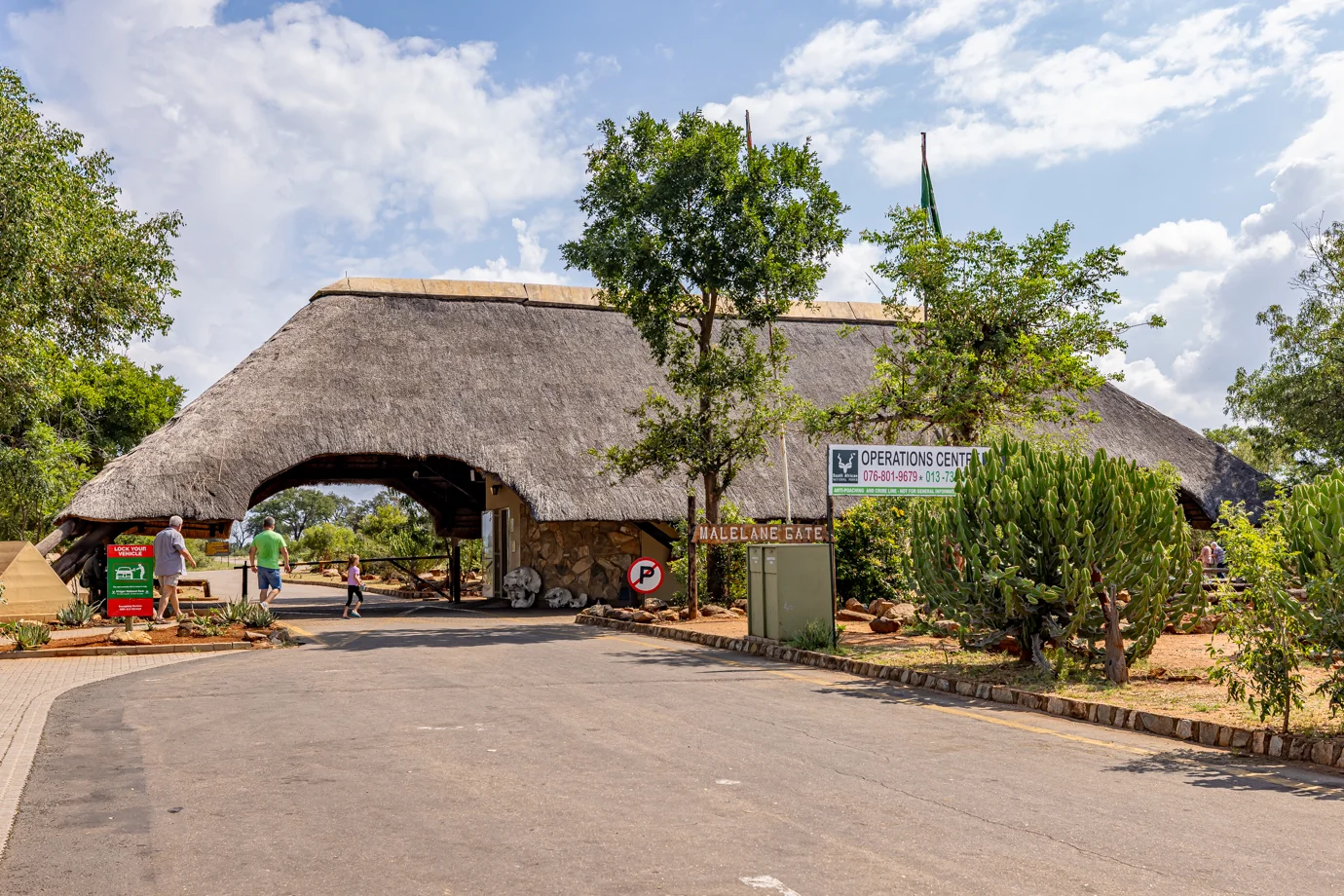
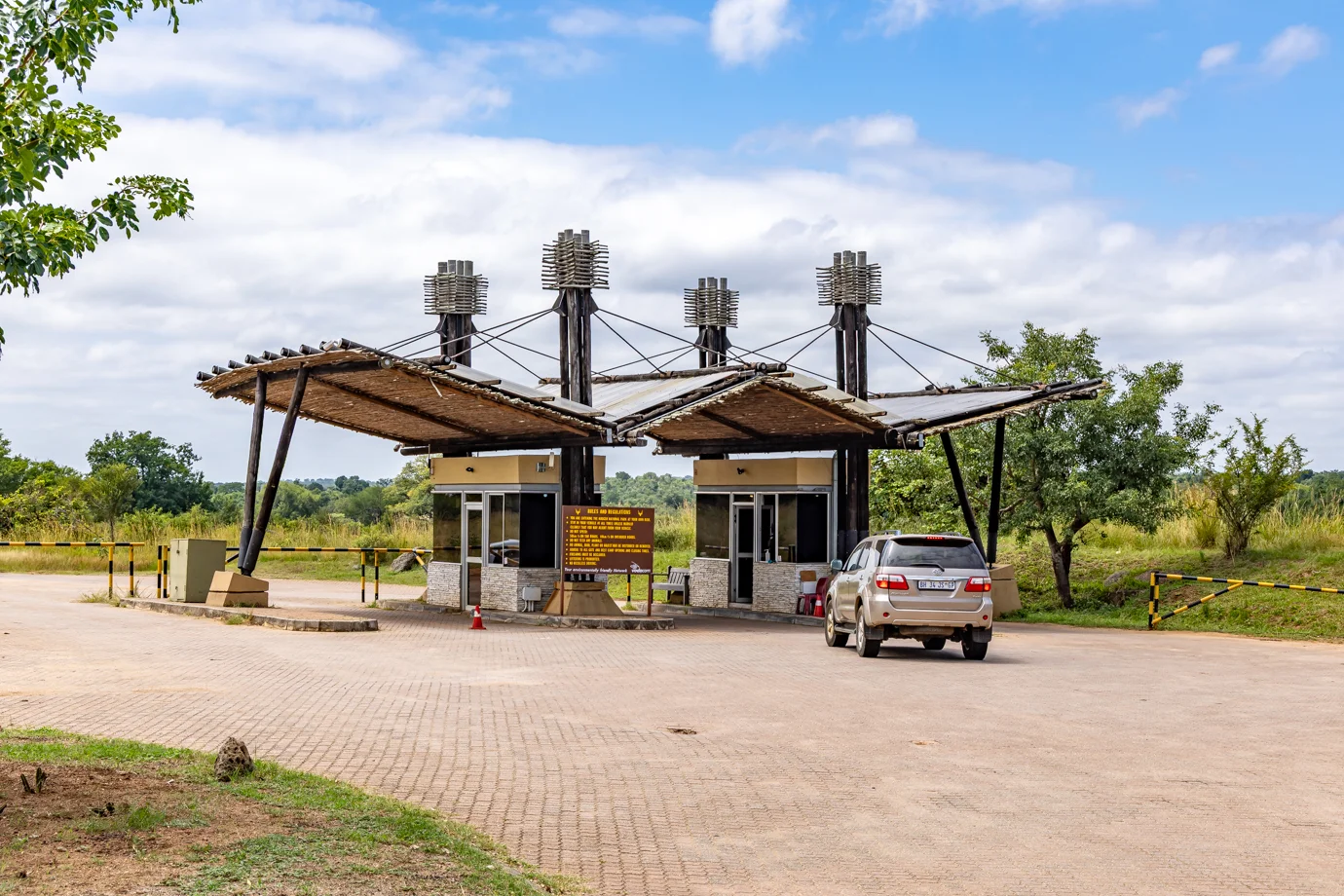
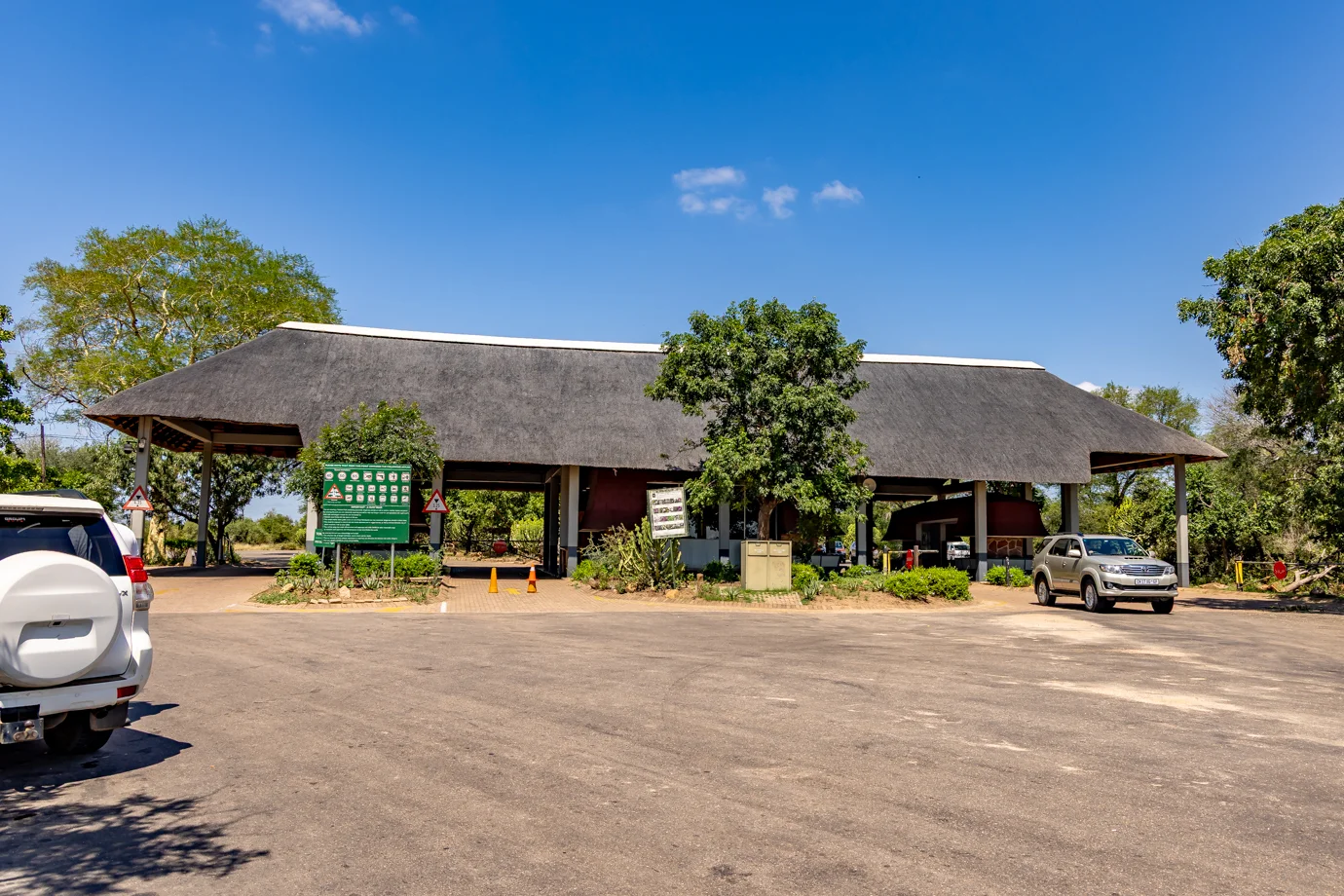
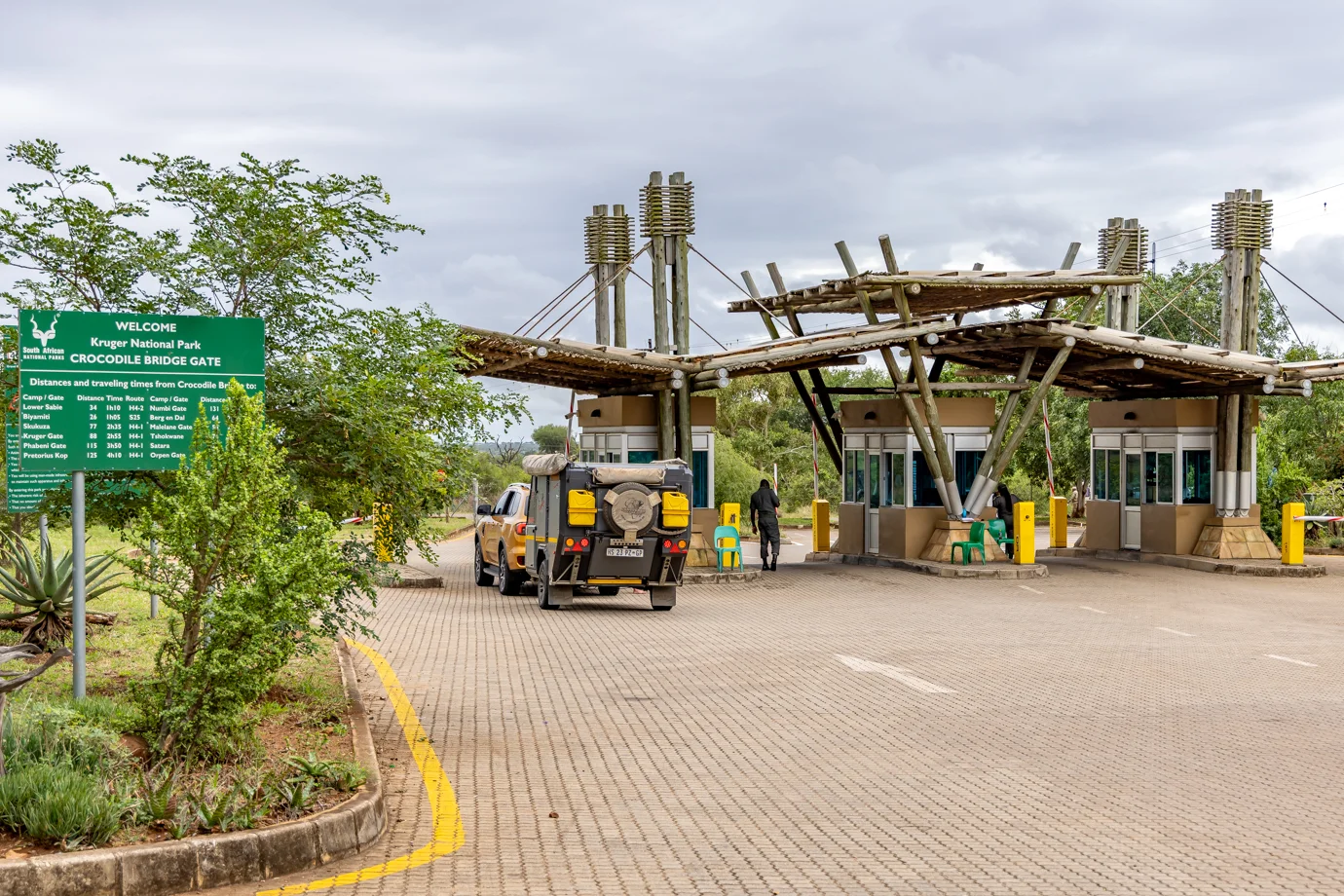
The southern region offers easy accessibility through six main entrance gates including Phabeni, Numbi, and Malelane. Furthermore, guests can explore a variety of accommodation options, from comfortable rest camps to premier luxury lodges. The park provides a balance between modern amenities and an authentic wilderness environment. Additionally, the well-maintained road network supports both self-drive safaris and guided tours. Therefore, the strategic layout makes this reserve a sensible choice for regional exploration. This combination of biodiversity and accessibility ensures a complete experience. Ultimately, the park remains a dependable icon of South African tourism.
Key Features
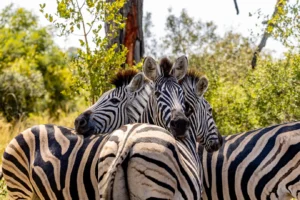
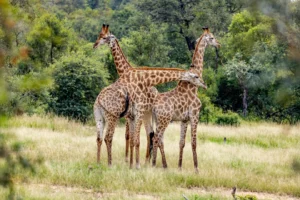
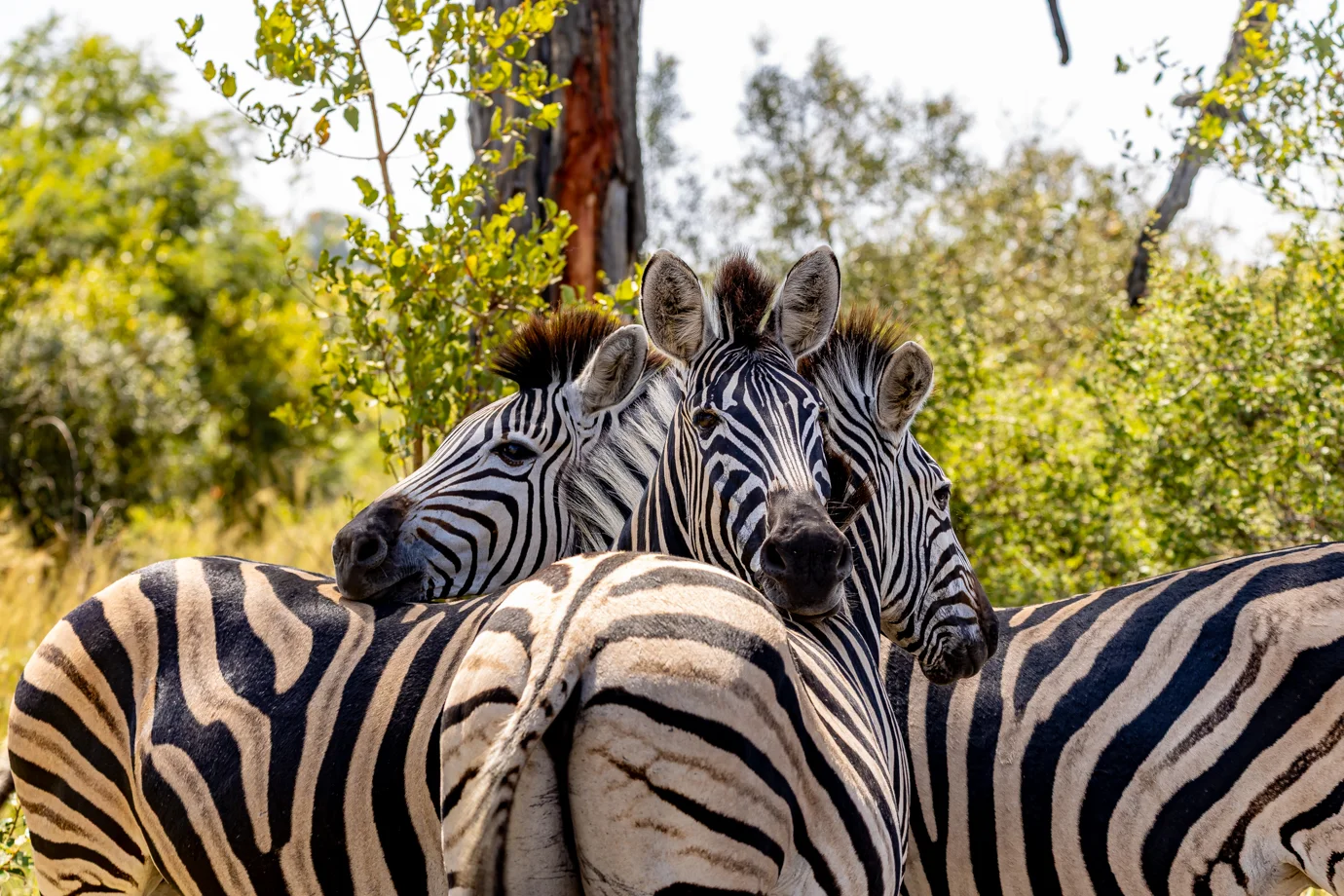
- Unrivalled Biodiversity: Home to 507 bird, 336 tree, 147 mammal, 114 reptile, 49 fish, and 34 amphibian species.
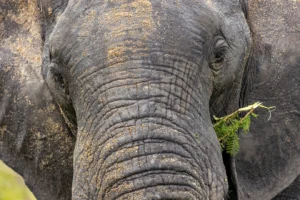
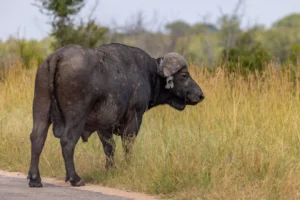
- The Big Five: World-renowned destination for spotting Lion, Leopard, Elephant, Rhino, and Buffalo in the wild.
- Southern Accessibility: Six entrance gates including Crocodile Bridge, Kruger, Malelane, Numbi, Orpen, and Phabeni.
- Northern and Central Access: Entry points including Phalaborwa, Punda Maria, and Pafuri provide access to the remote northern wilderness areas.
- Historical Significance: Features significant archaeological sites like Masorini and Thulamela, showcasing a rich geological and cultural legacy.
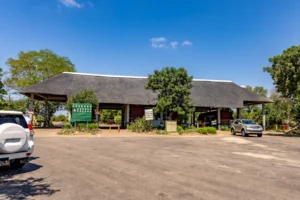
- Rest Camps: Main camps offer practical facilities including restaurants, shops, and day visitor areas for self-drive guests.
- Massive Conservation Area: Spans nearly 2 million hectares and forms a vital part of the Greater Limpopo Transfrontier Park.