The Makhonjwa Mountains
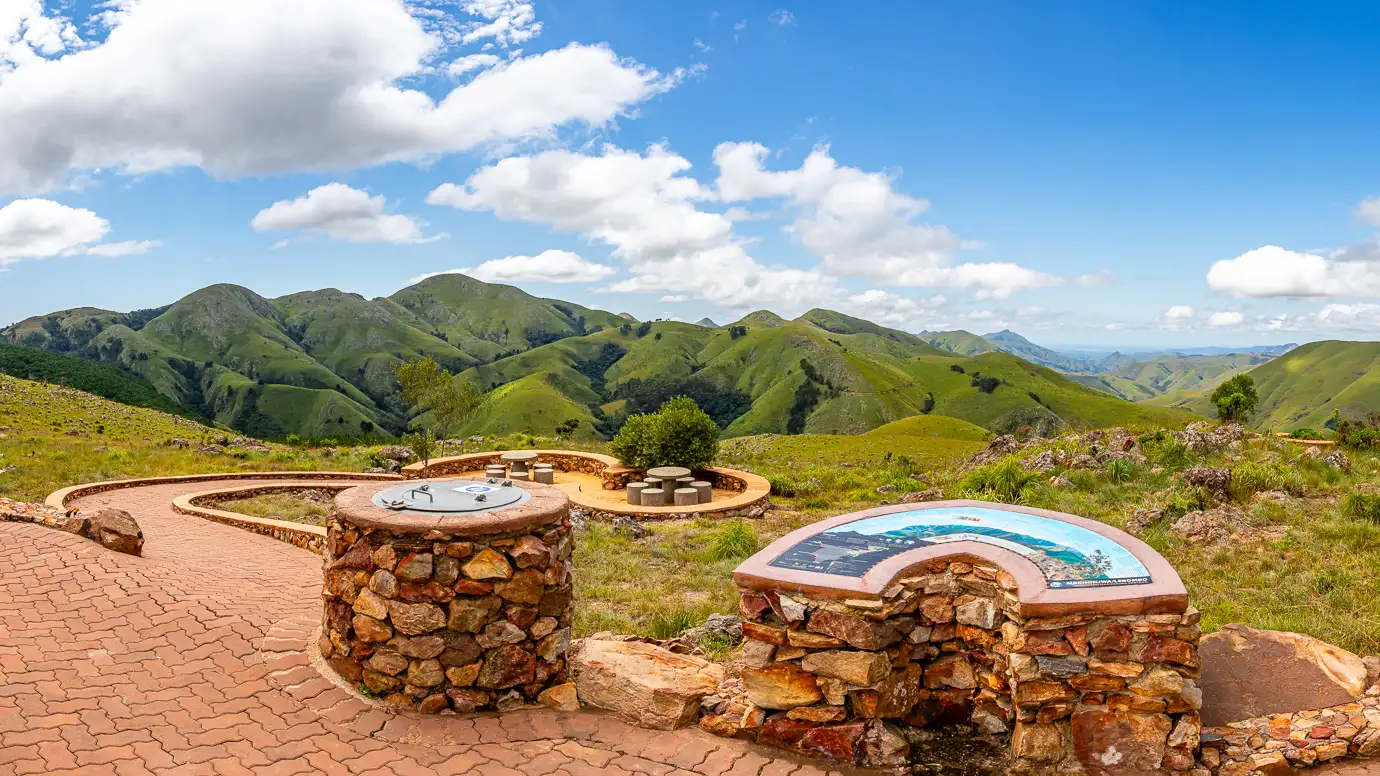
The Makhonjwa Mountains & Barberton Greenstone Belt
The Makhonjwa Mountains represent one of the oldest geological structures on our planet. In fact, this UNESCO World Heritage Site comprises roughly 40% of the Barberton Greenstone Belt. Because the volcanic and sedimentary rocks here date back over 3.2 billion years, they offer a unique window into the Earth’s earliest history.
Additionally, the region is celebrated for its exceptional natural beauty and diverse plant life. While the geology is a primary draw, visitors can also enjoy scenic hiking trails and bird watching. Consequently, this ancient landscape has become a vital alternative to the traditional Panorama Route for travellers seeking a deeper connection with nature.
Key Features & Significance
- Ancient Rocks: Site holds the oldest volcanic and sedimentary rocks on Earth.
- Genesis of Life: Contains early microfossil evidence of life and chemical traces.
- Geological Processes: Reveals evidence of volcanism and ancient meteorite impacts.
- UNESCO World Heritage: Recognised since 2018 as a critical natural site for history.
- Biodiversity: Supports rich plant diversity and serves as an important habitat.
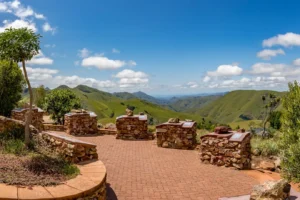
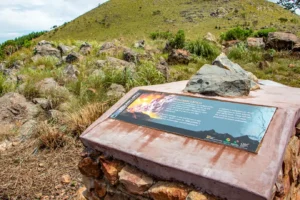
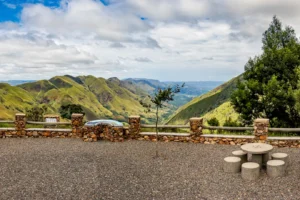
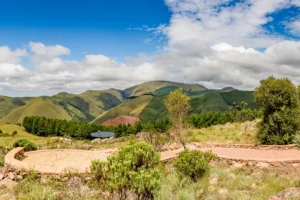
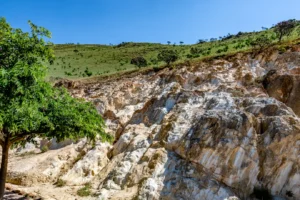
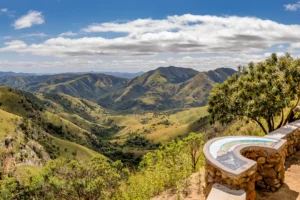
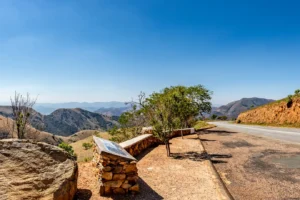
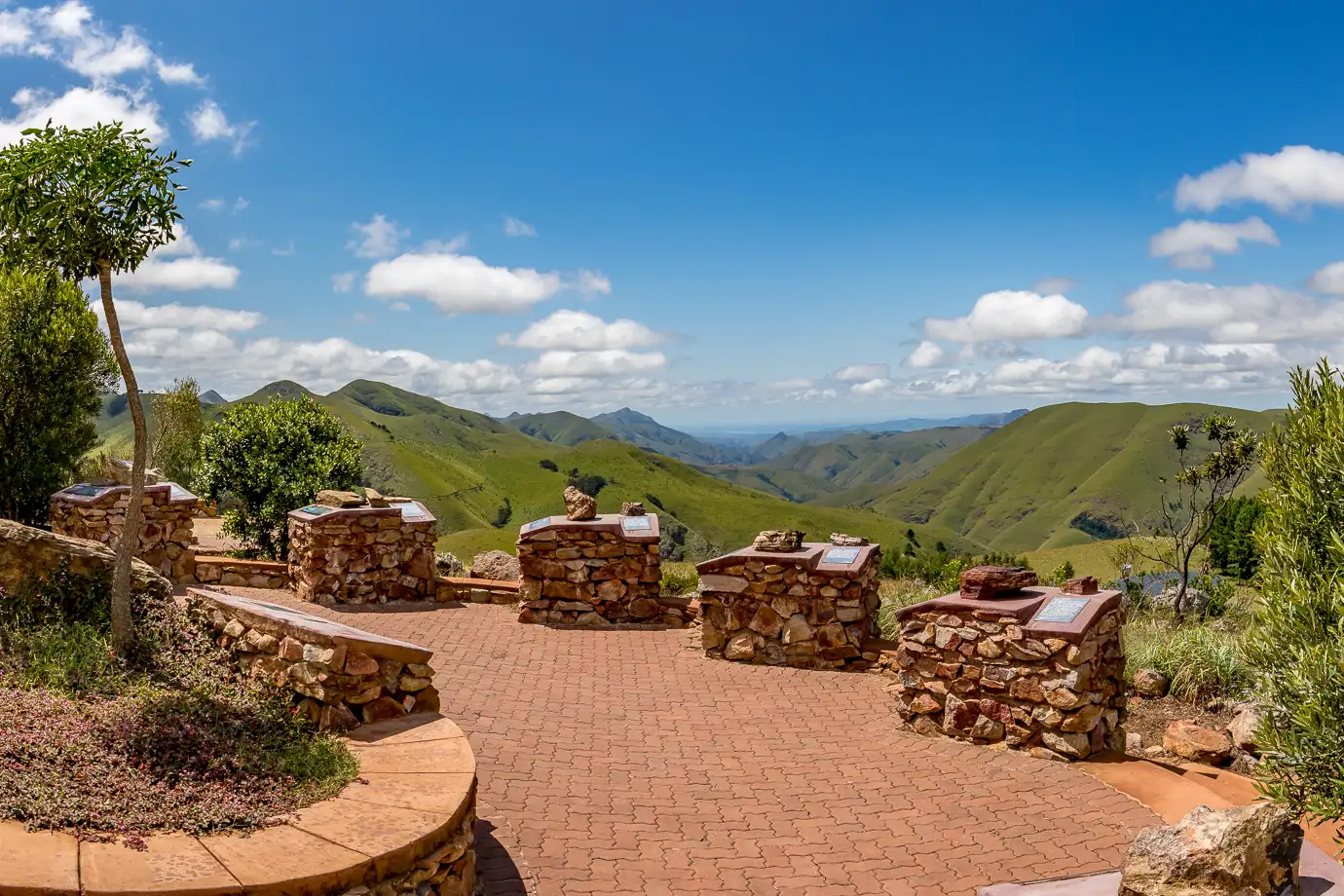
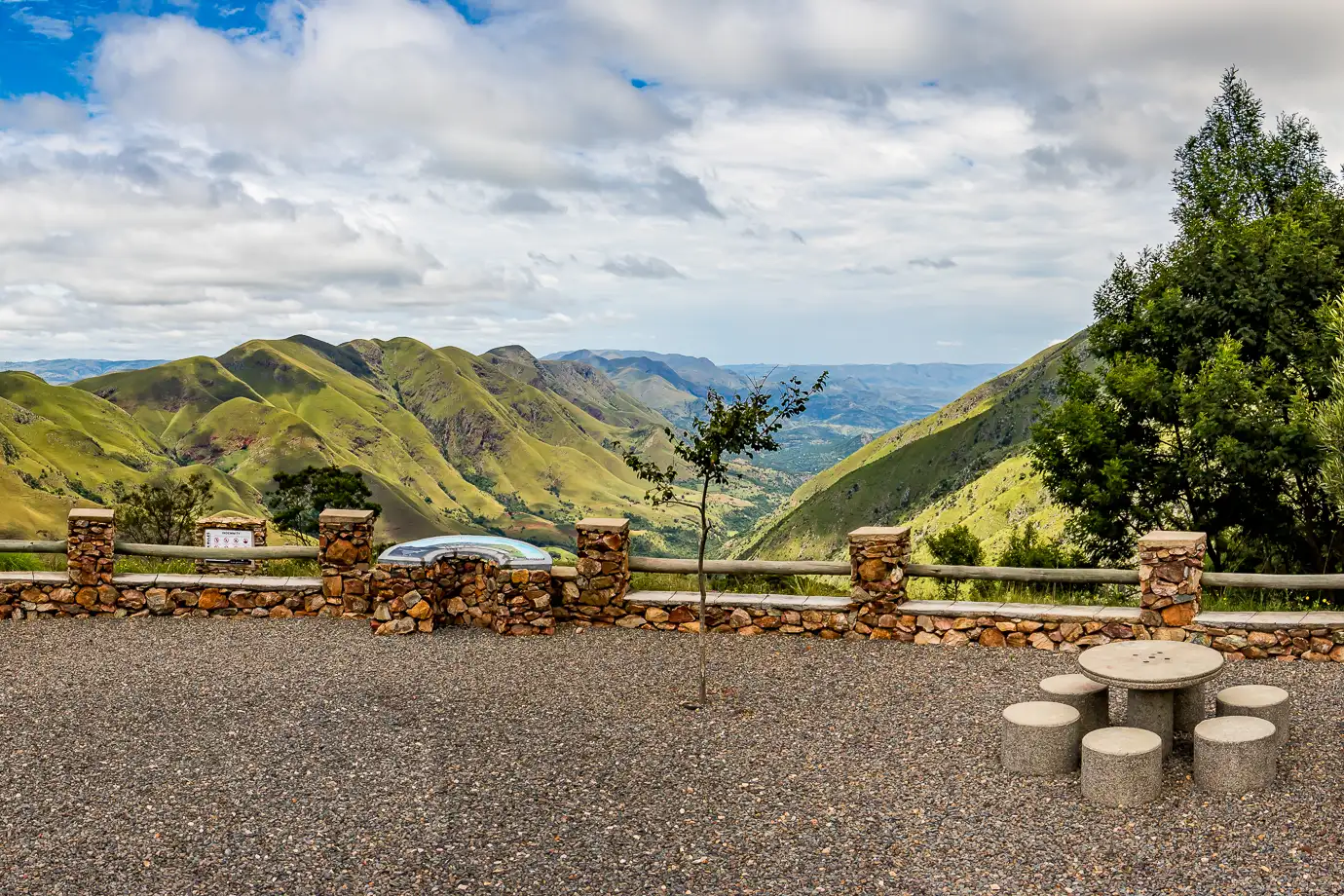
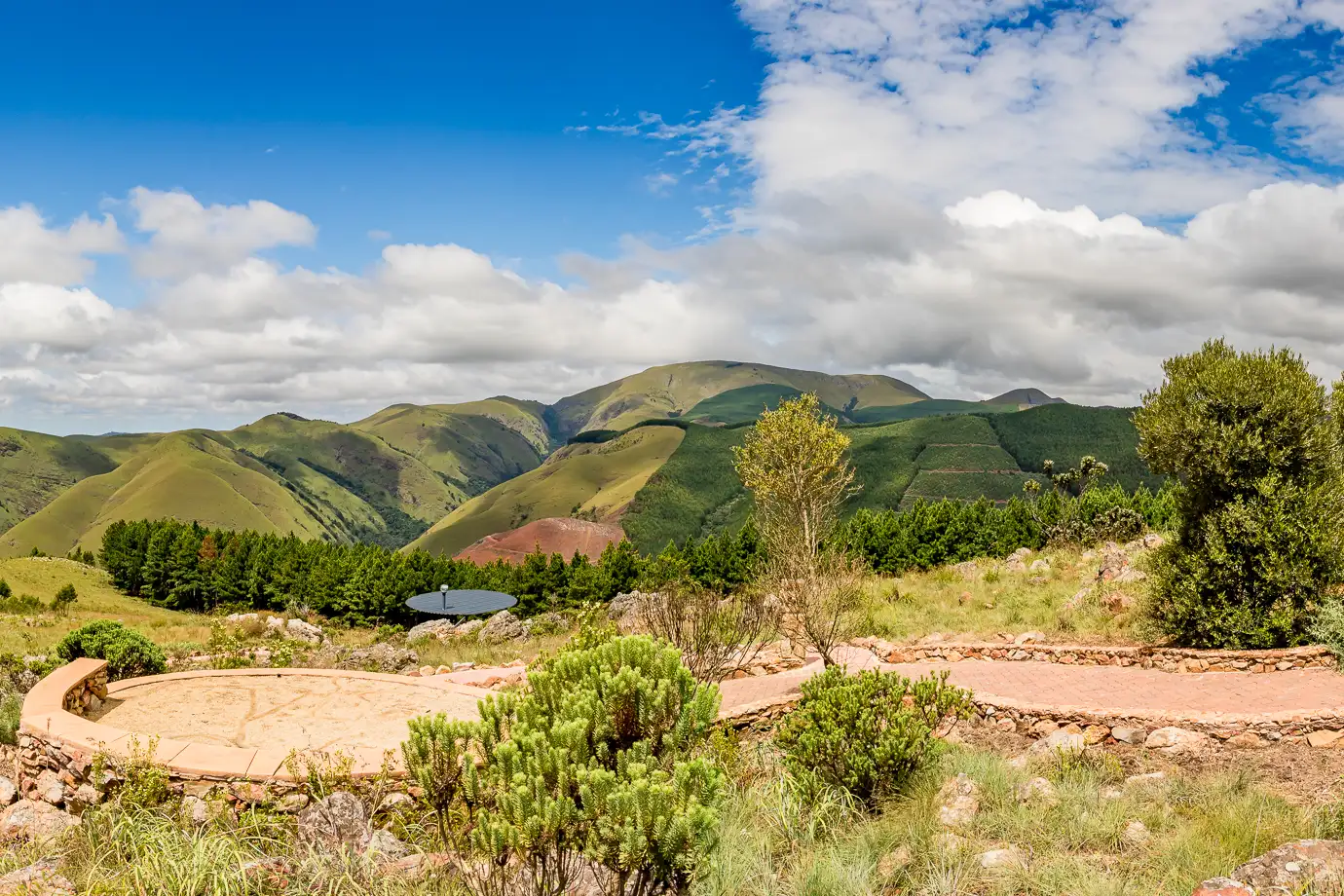
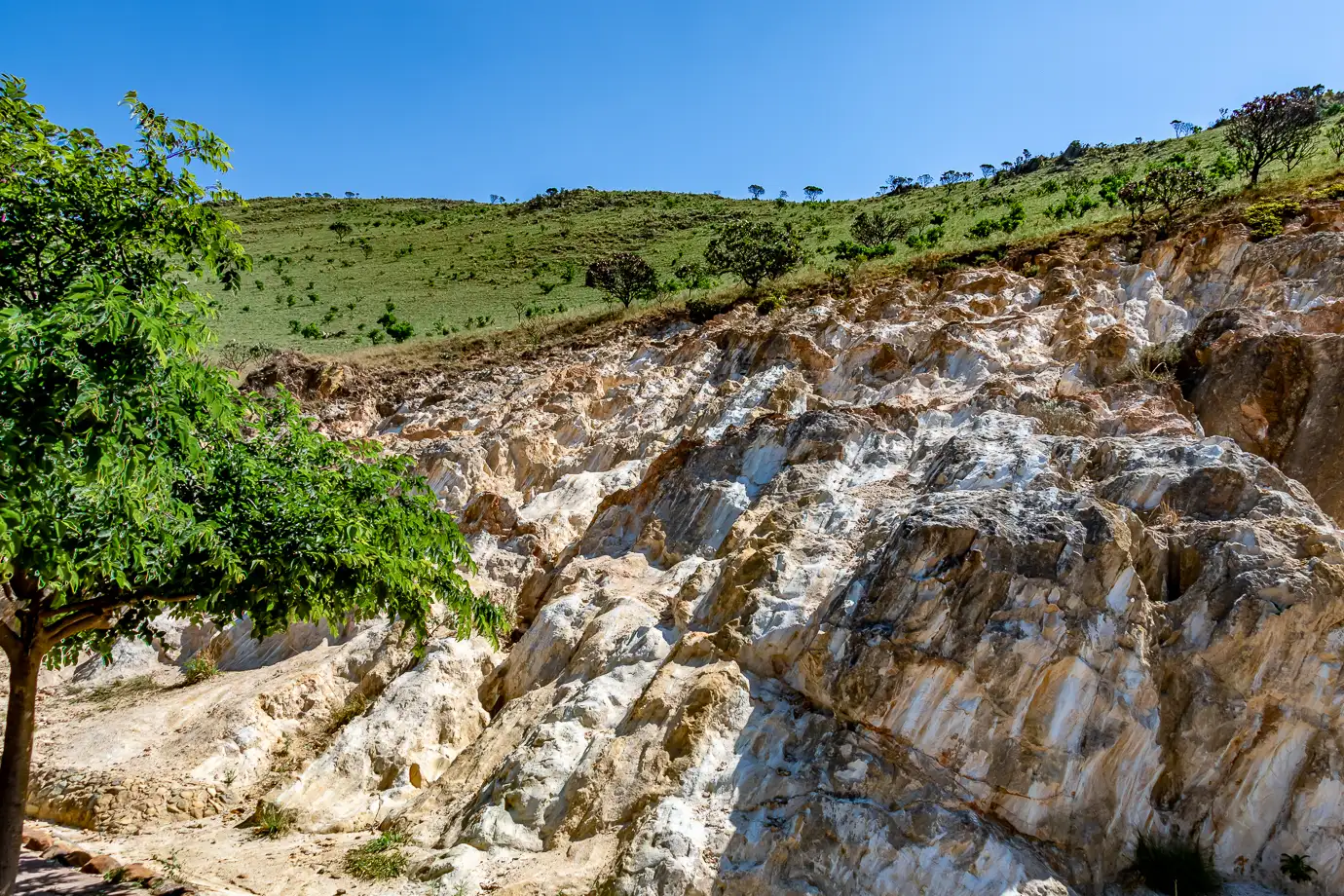
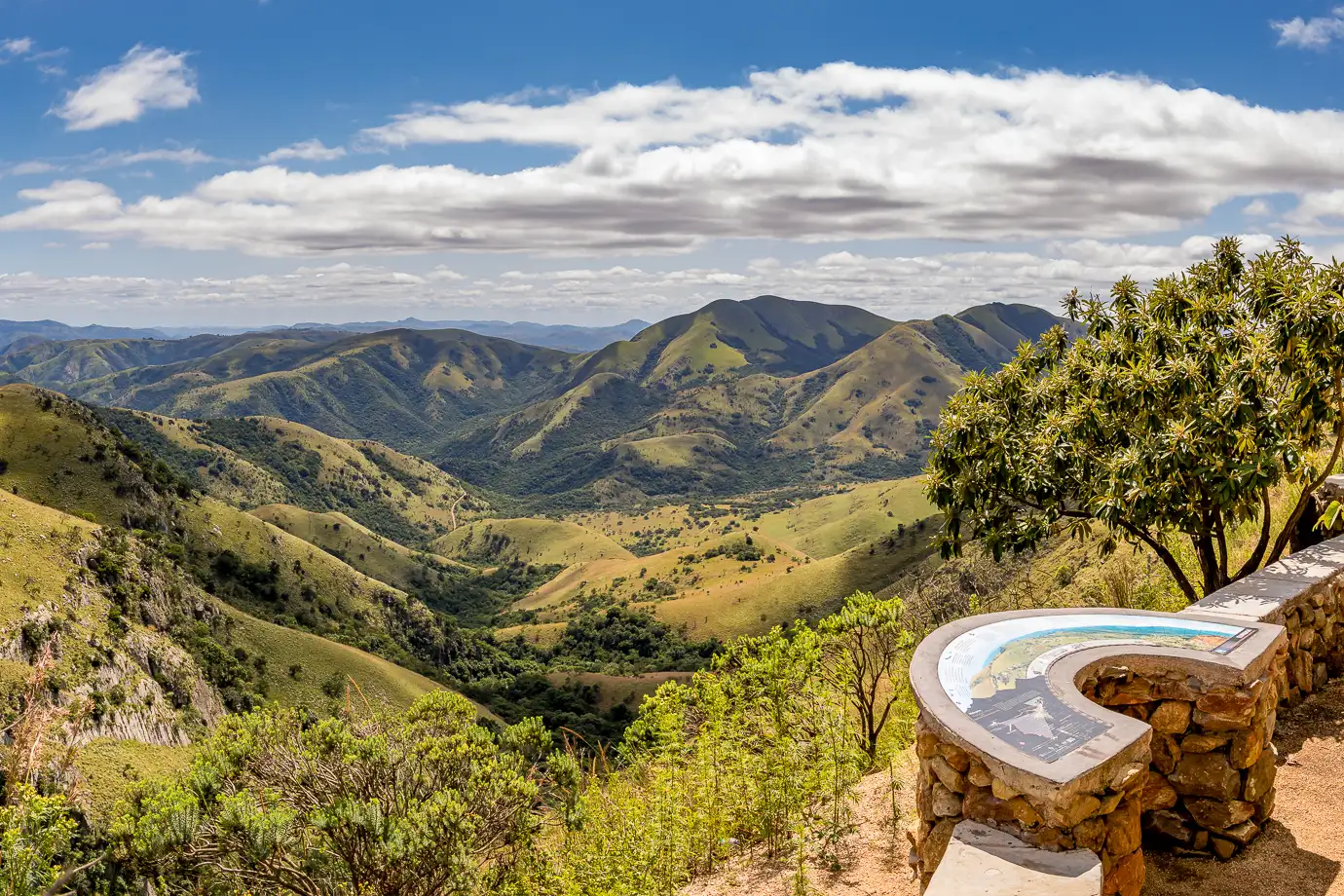
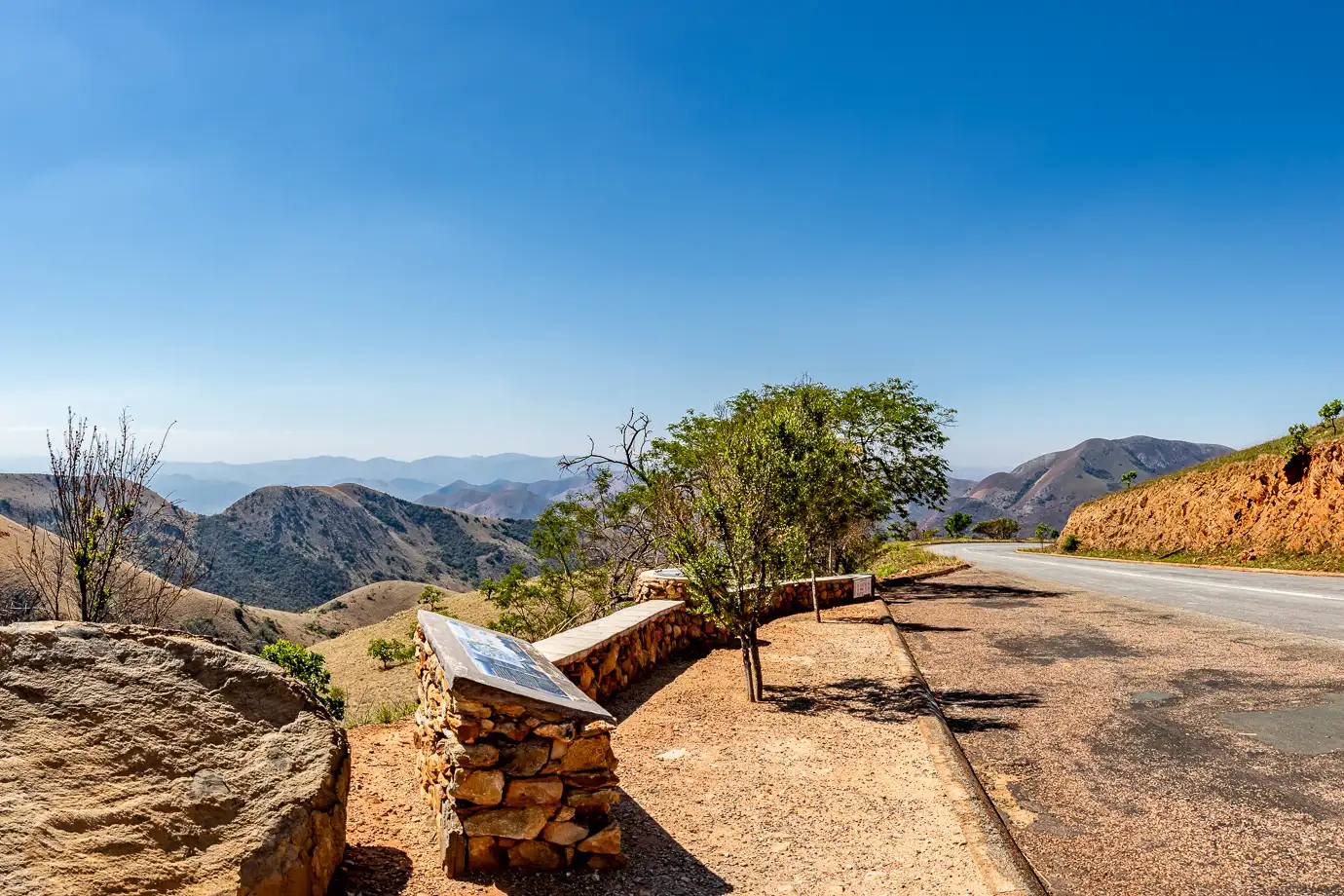
The Barberton Makhonjwa Geotrail: Key Viewpoints
- Greenstone View: Marking the transition into the ancient Greenstone Belt.
- De Kaap Valley: Offering a clear visual contrast with the surrounding belt.
- Tidal Sandstone: Preserving visible ripples from tides 3.2 billion years ago.
- Eureka View: Showcasing sedimentary rock and massive crustal folds.
- Biomats Site: Containing fossilised microbial mats representing the earliest life.
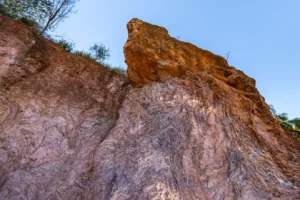
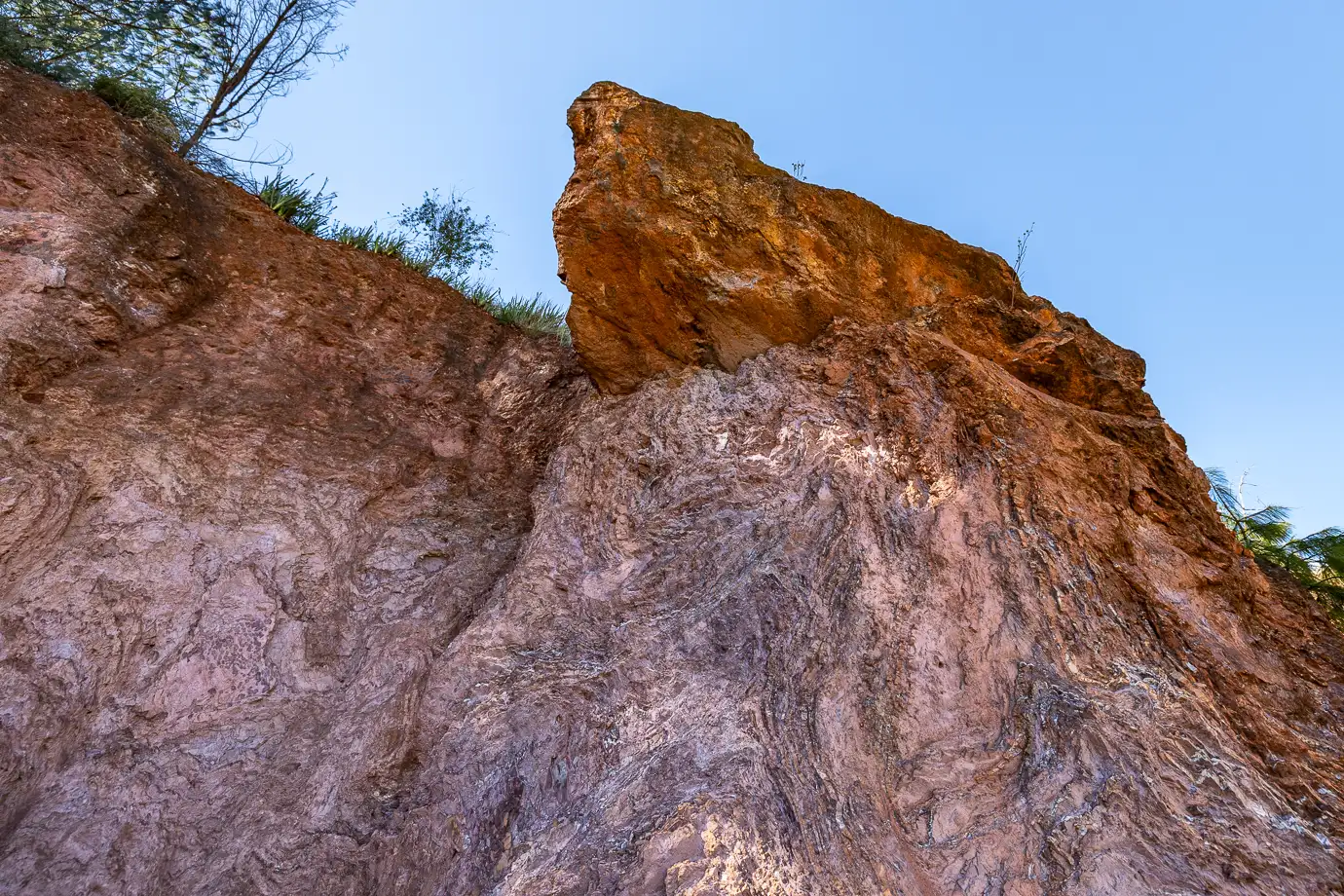
- Painted Quarry: Featuring colourful layers visible in the old quarry face.
- Lebombo View: Providing sweeping views eastwards towards the Mozambique border.
- Tsunami Conglomerates: Resulting from a tsunami caused by a massive meteorite impact.
- Banded Ironstone: Striking rocks formed in ancient iron-rich oceans.
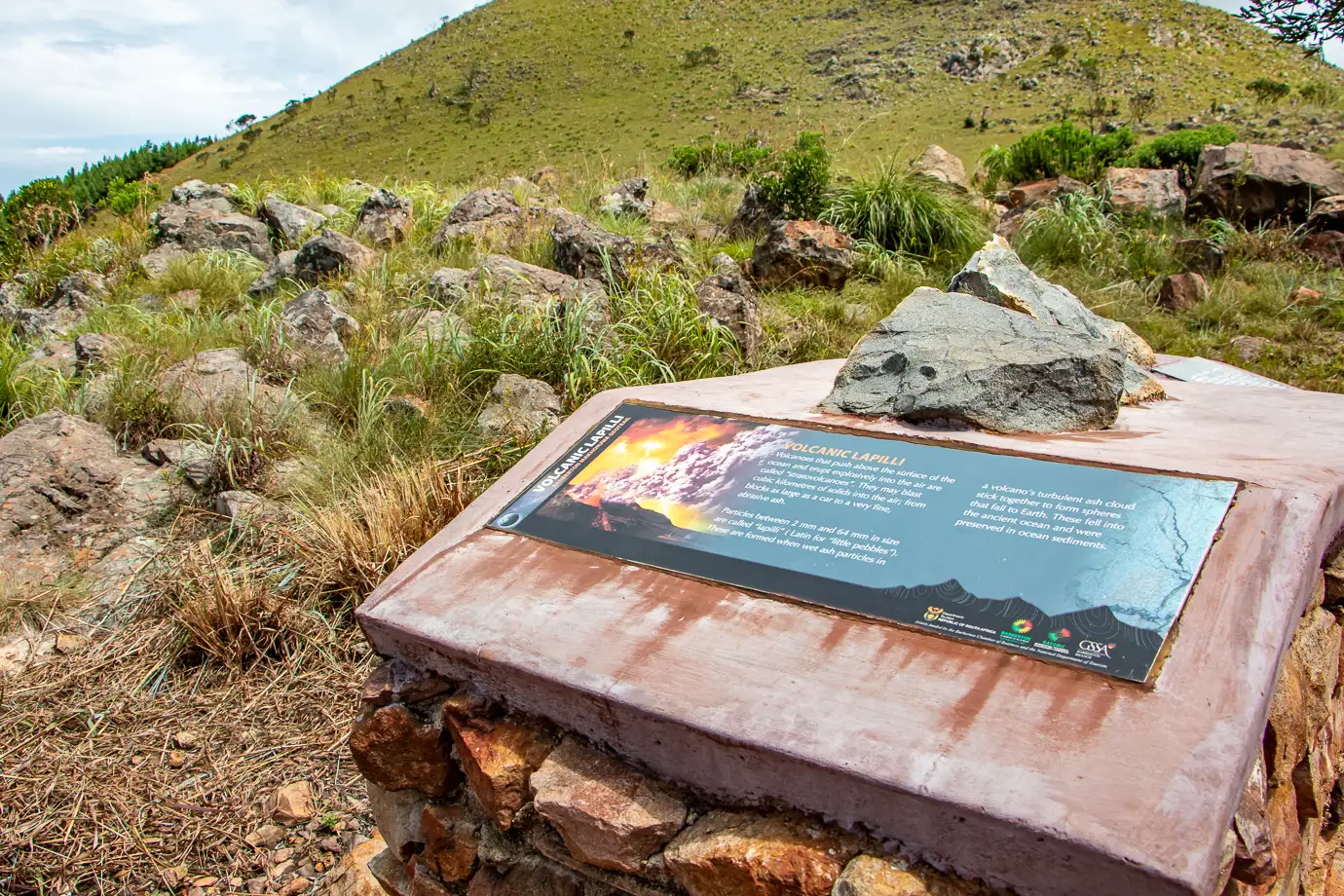
- Volcanic Lapilli: Featuring preserved volcanic hailstones in ancient black chert.
- Pillow Lavas: Displaying structures formed by underwater lava eruptions.
Currently, the trail provides a dynamic environment for every traveler. Therefore, the proximity to the Eswatini border makes this route a practical choice. As a result, visitors can experience a professional environment while exploring the area. Ultimately, the site blends quality natural heritage with professional service for all visitors.